



When looking at the history of Kirkwood Community College and the Iowa Raptor Project, the two are intertwined through decades of collaboration. It is this partnership that defines both the past, present and most importantly the future of parks and natural resources students, as well as the birds of prey that call the Iowa Raptor Project home.
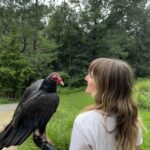
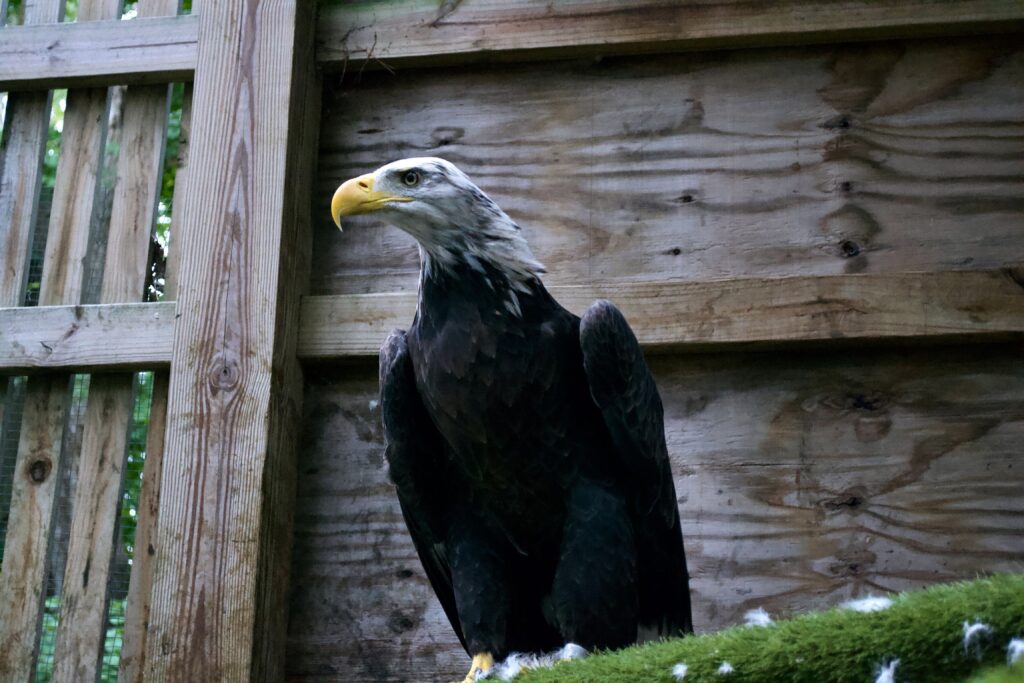
Upon visiting the center, one can find vultures, hawks, falcons, owls and Kirkwood’s very own mascot: a bald eagle.
Since the late 1980s, the Iowa Raptor Project has provided avian conservation, education and research opportunities to students and staff. In return, Kirkwood supplies aspiring conservationists with the knowledge of important veterinary care for the birds and with influential leadership.
Iowa Raptor Project director David Conrads is an example of the rich ties between both organizations. Burke Miller, the founder of the Iowa Raptor project, and Steve Atherton, a Kirkwood parks and natural resources faculty member, were Conrad’s colleagues.
“Personally, I first connected to Kirkwood through the Iowa DNR’s peregrine falcon reintroduction program in the summer of 1989. Steve Atherton was actively involved, and we became colleagues,” said Conrads. “The Iowa Raptor Project provided emergency support for sick or injured falcons.”
Shortly after, Atherton hired Conrads to teach avian wildlife at the college, and he was later hired as the director of the Iowa Raptor Project. Conrads soon became involved with the University of Iowa’s UI WILD department in 2000. He said that the Iowa Raptor Project continued to have Kirkwood graduates leading as directors.
Another important aspect of cooperation is through continuous student interns and volunteers. Involvement for Kirkwood Parks and Natural Resources students may look like a morning in Macbride Nature Recreation Area banding migratory songbirds. Other times it is working directly with raptors through husbandry, training and educational programs.
“The Iowa Raptor Project provides a unique opportunity for hands-on learning. It’s really a special opportunity that we encourage students to take advantage of,” Conrads said.
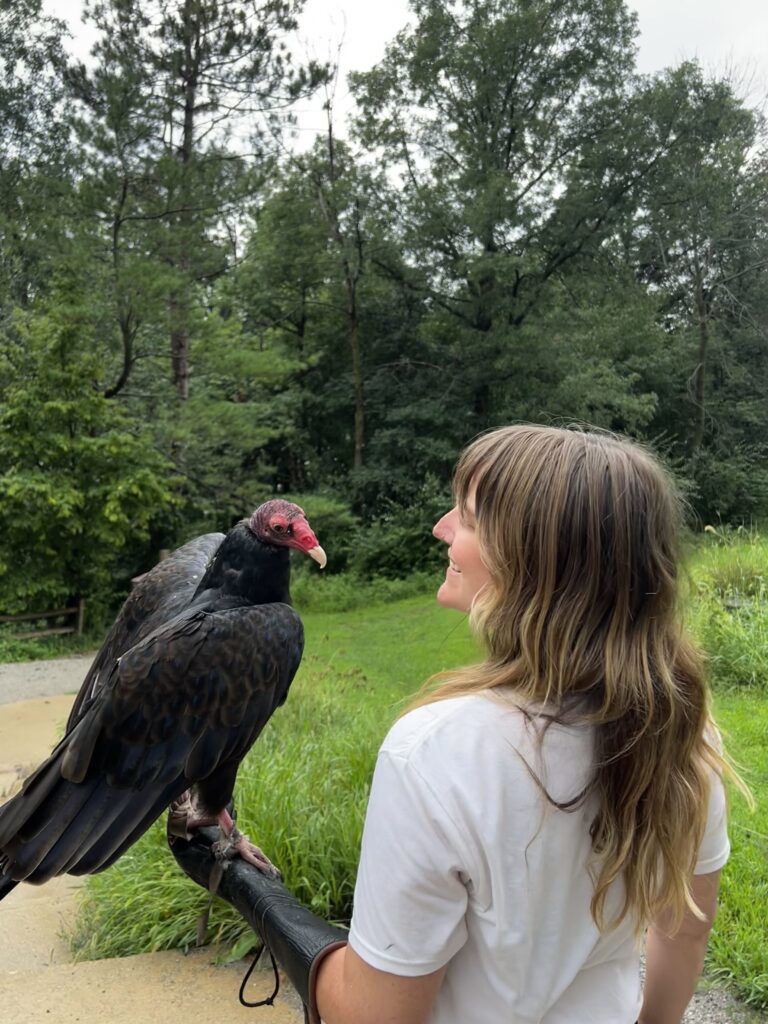
Assistant director of the Iowa Raptor Project Katie Ibsen is an example of the impact of a wildlife career.
“Kirkwood provided me the background knowledge of becoming a natural resource professional, she said. “The instructors were such great resources during those early transformative college years. I got involved in every way that I could to create a better future for myself.”
Being a Kirkwood parks and natural resources alumni herself, she said she spent time with various raptor groups learning the skills that led to her current role. Ibsen’s tenure at the World Bird Sanctuary, the Raptor Education Group and her own organization, Avian Connections, gave her the hands-on learning with captive wildlife that she now provides to Kirkwood interns and volunteers.
“Many Kirkwood students have great interests in wildlife research and interpretation,” she said. “When I was a student at Kirkwood, I did not know entirely what I wanted to do as a career, but I knew I loved nature and wanted to protect it and inspire others to do the same.”
Not only are parks and natural resources students involved, but veterinary care students are as well. It is not uncommon for an eagle or a red-tailed hawk to grace the hallways for their annual check-up.
Students get to observe wildlife medicine in real time. When it comes to the care of the birds, Conrads stressed the significance of Kirkwood’s role.
“Veterinary care has been consistent since the beginning of the collaboration,” he said. “The involvement of students has provided valuable experience for all involved to understand the unique health needs of raptors.”
Conrads also said the support of Kirkwood has allowed Iowa Raptor Project’s research and bird reintroduction efforts to thrive. Programs like the Iowa DNR’s Wildlife Diversity Program for osprey introduction at Lake Macbride, American Kestrel nest boxes and hawk and owl migration studies would not be possible without the teamwork of both organizations.
In the future, Ibsen said that the Iowa Raptor Project is always looking for opportunities to collaborate and work together more.
“If students want to get involved and advance their knowledge with birds, please contact us,” she said.
Categories: Feature