






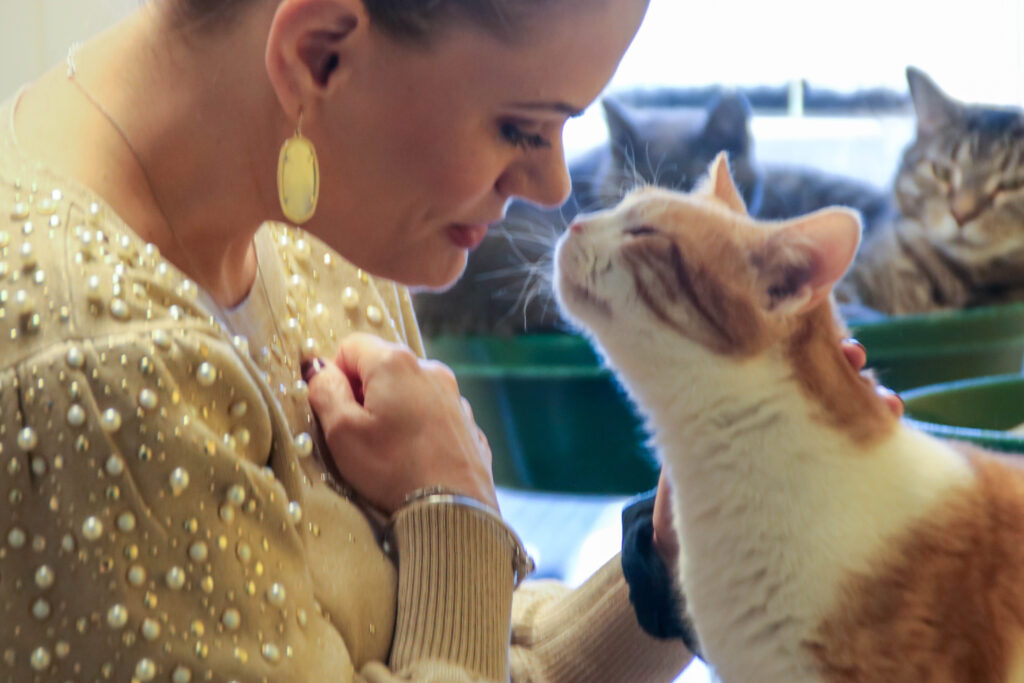
On any given day, Cedar Rapids Animal Care and Control may be home to stray dogs, surrendered cats, guinea pigs, rabbits and even the occasional goat or bearded dragon. But beyond the kennels and adoption rooms lie a mission rooted not just in animal care but in public safety and education.
“We want every animal to get adopted,” said Michelle Timm, animal control officer and lead animal care technician “but the bigger picture is public safety and public education.”
Timm, who has worked in animal control for over 13 years, explained that the department does more than simply house stray animals. Officers also educate residents about the city’s animal code and responsible pet ownership. Rather than removing animals from homes, the goal is to prevent neglect and unsafe conditions before they occur.
“We don’t just want to take people’s animals,” Timm noted. “We teach the public what the code is and how to properly care for their pets.”
When animals are brought into the shelter, staff must also consider medical and behavioral factors before making them available for adoption.
“If an animal is too sick or has temperament issues, we have to think about the community,” Timm said. “Is this animal safe to go out into the community?”
Hands-On Learning Makes the Difference
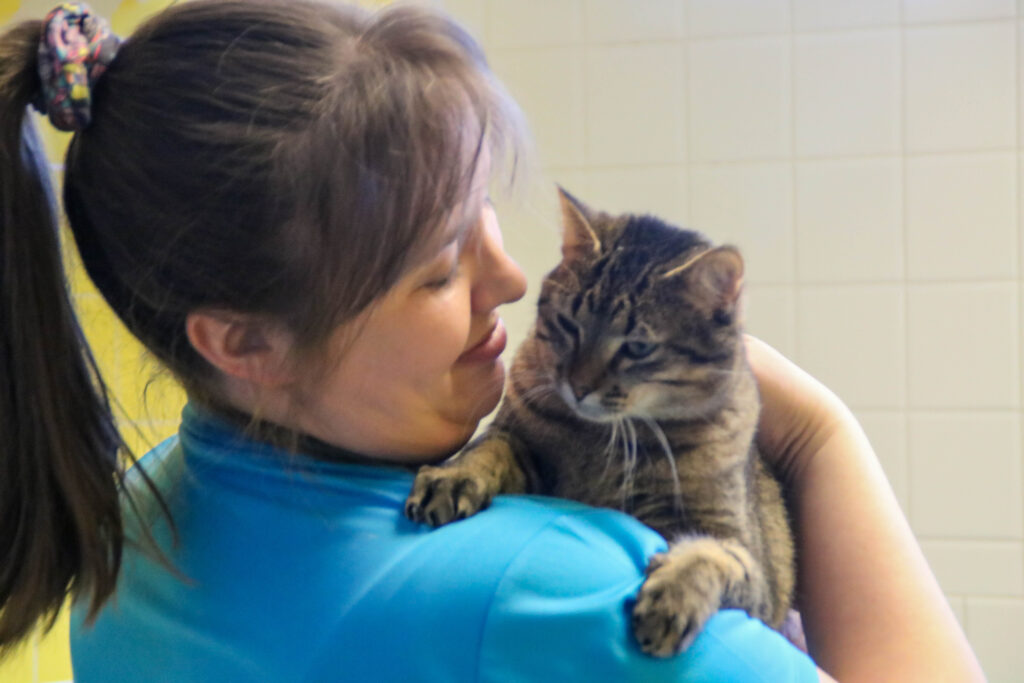
Cedar Rapids Animal Care and Control works closely with Kirkwood Community College’s animal-related programs, providing students with real-world training opportunities. Timm said that hands-on experience is critical.
“It’s one thing to learn from a book,” she explained, “but actually putting your hands on an animal, learning how to hold them properly, reading their body language, that’s something you can’t fully understand from a picture in a textbook. Hands-on training is everything.”
Students who train at the shelter work primarily with cats and dogs, but they may also encounter small livestock, reptiles or injured wildlife. Beyond feeding and cleaning, students learn about what professionals call “capacity for care”: ensuring each animal receives daily socialization, exercise and proper medical attention.
“We want to make sure every animal has access to food, water and healthy living conditions,” Timm emphasized.
The People Behind the Mission
Jamie Bowers, manager of the animal department, recently joined the team and brings experience from Corpus Christi, Texas. She emphasized that caring for animals requires more than technical knowledge.
“The students who succeed are the ones who are willing to learn,” Bowers said. “Handling animals that aren’t yours is a completely different world. You have to be open, not afraid but still safe. And most importantly, you have to care.”
Career Paths and Opportunities
Graduates of Kirkwood’s animal programs often pursue careers as veterinary assistants, veterinary technicians, pet groomers or animal welfare professionals. Job placement in veterinary clinics is currently strong, Timm noted.
“There are a lot of openings right now,” she said. “Not as many people are going into that field, so there are opportunities.”
However, positions in animal welfare organizations or city government tend to be more competitive.
Timm credits timing and internship experience for her success. After graduating, she began working just two days later.
“I got really lucky,” she said. “Somebody retired, somebody quit and I was already interning. Apparently, they liked me — and I just haven’t left.”
Challenges and Community Support
Like many public service departments, staffing and budget constraints remain ongoing challenges. To help address these gaps, the shelter welcomes volunteers, including Kirkwood students. Volunteers who pass a background check can help walk dogs, socialize cats and assist with daily care.
Ultimately, Cedar Rapids Animal Care and Control sees itself as a community-centered organization focused on safety, education and humane treatment. For students considering careers in animal science or animal health, Timm offers simple advice: “Be willing to learn. Be dedicated. And care about the animals.”
Categories: Feature